From 5 to 100 Watts: Expanding the Hermes Lite 2 Remote Station
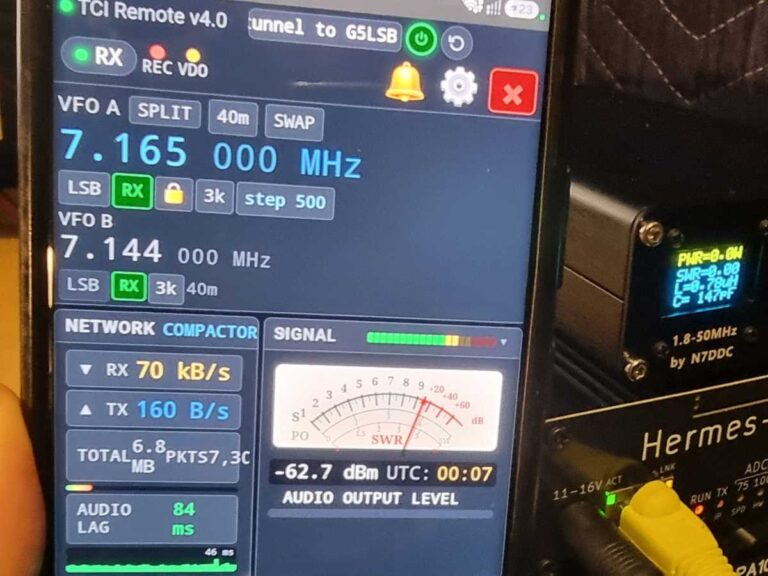
If you want to read how I started my remote station project based on Hermes Lite 2, you can find the first post here. At that stage, I had finished setting up the Hermes, configuring Thetis and WSJT-X, and carrying out the first FT8 tests. Just one watt was enough to make a QSO with Switzerland at a distance of around 1,000 kilometres, while PSK Reporter showed my signal being received across many parts of Europe and even on the other side of the Atlantic. The natural next step was to increase the power. Five... read more...
A Remote HF Station from Your Phone? Hermes Lite and Thetis

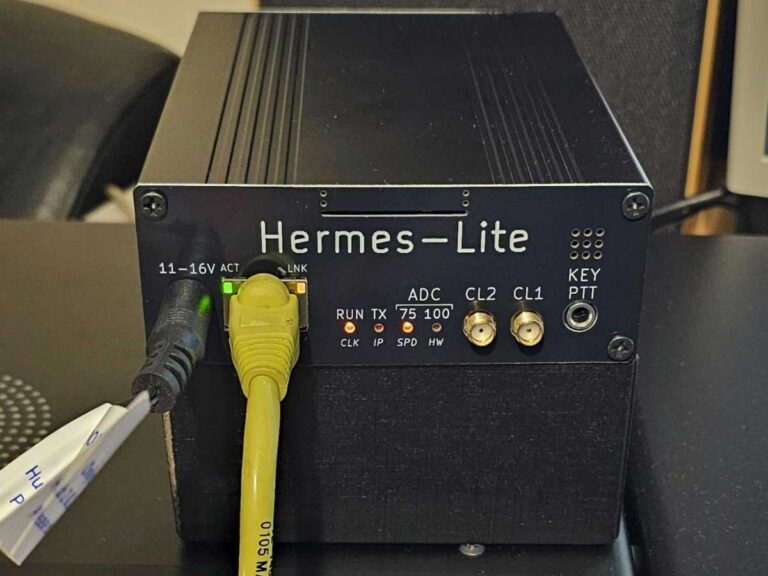
For some time, I had been thinking about operating remotely on HF. I wasn’t interested, however, in the classic setup of leaving a computer running at home, connecting through Remote Desktop and clicking around in radio software with a mouse. That certainly works, but it isn’t particularly convenient, especially if you want to take your phone out of your pocket during a break at work, put on a headset and make a normal QSO. At first, I considered the official remote interface for my Yaesu FT-710, the SCU-LAN10. It allows the radio to be controlled... read more...

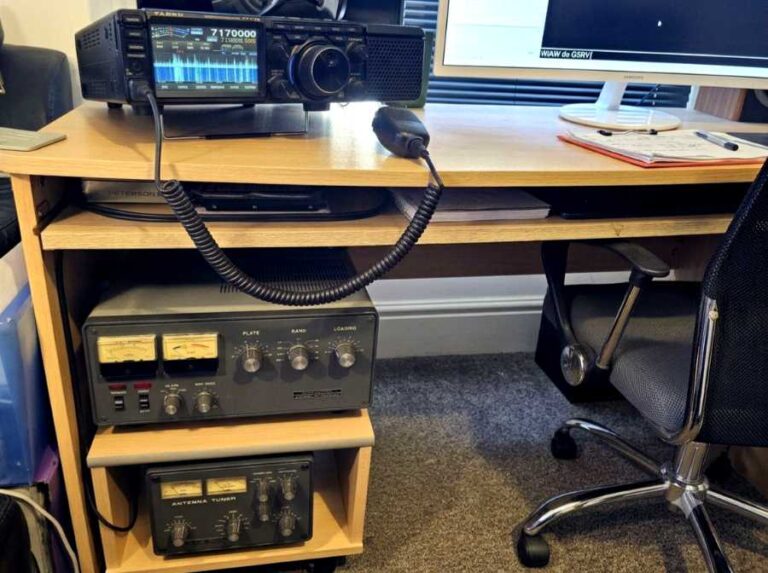
How to Connect an Old Valve Amplifier to a Modern Radio

While making contacts on the amateur bands, I often found myself in situations where I could hear a distant station very well, sometimes even at 58 or 59, but simply couldn’t get through. Most of the time, the problem was a pile-up. I could hear the DX station perfectly, they were answering one caller after another, but my 80 or 100 watts just disappeared into the crowd. Eventually, I started thinking about buying an amplifier. When I saw the prices of new ones, though, I quickly lost enthusiasm. Sometimes I get the impression that amateur... read more...

Amateur Radio Licensing in the UK: Foundation, Intermediate and Full

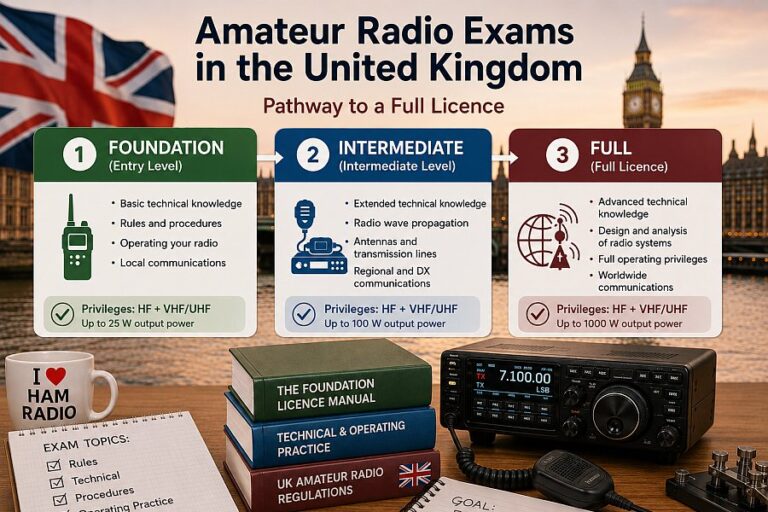
You may be wondering what becoming a radio amateur in the UK involves, which exams you need to pass and what privileges you receive at each stage. Or perhaps you already live in the UK and are thinking about getting your licence. The UK amateur radio licensing system is based on three successive levels: Foundation, Intermediate and Full. I completed the whole path myself within just a few weeks, so I can also describe it from personal experience. It is worth starting by explaining the role of two organisations that are easy to confuse. The... read more...

From Intermediate to Full in 21 Days, G5LSB

As soon as I passed my Intermediate licence exam, I immediately booked the Full exam. I knew that standard preparation courses usually lasted several months, so I decided to set myself a challenge. I wanted to see whether it was possible to prepare for the exam in just three weeks. It quickly became clear that it wasn’t going to be easy. The syllabus was much broader than I had expected, and the question bank contained around 570 questions. I spent between two and three hours studying every day. I didn’t want simply to memorise the... read more...

New Intermediate Licence, M8PZU

After passing my first Foundation exam, I decided almost immediately that I wasn’t going to stop there. Since I had already started, I wanted to work my way through the entire UK licensing system and eventually reach Full. I booked my Intermediate exam on the very same day that I passed Foundation, setting the date three weeks ahead. At the time, I had no idea whether that was a lot of time or very little. In the end, with about an hour of study each day, three weeks turned out to be more than enough.... read more...